Teppanyaki: The Theater of the Hot Plate
The chef flips a shrimp into his hat pocket, builds an onion volcano, and sears wagyu on a 250°C iron plate. Teppanyaki is theater. The food is the encore.
An in-depth culinary resource on the cuisines of East Asia—not for tourists, but for those who want to understand why food is the way it is. Each article explores the cultural, historical, or regional context behind a dish. The site covers street food, regional cuisines, food markets, restaurant culture, and culinary traditions.
The chef flips a shrimp into his hat pocket, builds an onion volcano, and sears wagyu on a 250°C iron plate. Teppanyaki is theater. The food is the encore.
Halal food in Tokyo, Seoul, and Bangkok ranges from effortless to genuinely difficult. Here's the honest picture with real options.
Sweet, spicy, fermented, and unlike any other chili product on earth. Gochujang is the red paste behind everything that makes Korean food Korean.
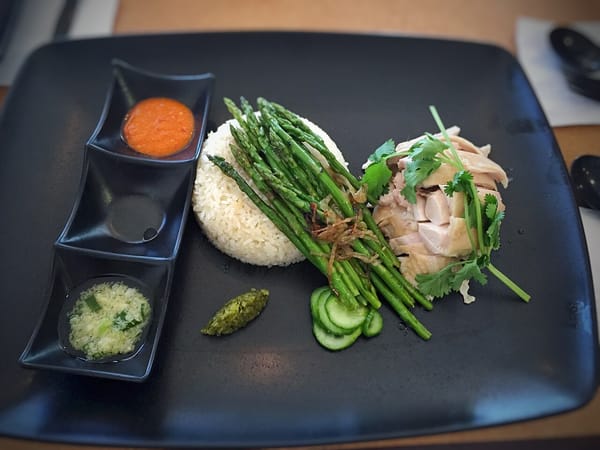
A Michelin star for $2 chicken rice. UNESCO heritage status for a food court. Singapore's hawker centers defy every rule of fine dining.
A Chinese banquet is a 12-course social performance where the food is magnificent and the etiquette is everything you didn't know you needed to know.
Ten minutes. Two ingredients. A stock so foundational that removing it from Japanese cuisine would be like removing harmony from music.
Osaka calls itself kuidaore — 'eat until you drop.' The city's street food backs up the boast with octopus balls, pancakes, and fried skewers.
Three ingredients. Zero shortcuts. Thailand's most iconic dessert is deceptively simple and ruthlessly unforgiving of bad technique.
A kitchen with no dining room, no waitstaff, and no address you'd visit. Ghost kitchens are feeding Asia's cities, and the debate about what's lost is just starting.
Fifteen ingredients from one trip to an Asian grocery store will unlock five cuisines. Here's what to buy, what brand to get, and how to use each one.
Soju outsells vodka, whisky, and every other spirit on earth. The rules for drinking it are as important as the drink itself.
The sake aisle is covered in Japanese characters you can't read and classifications that nobody explained. Consider this your decoder ring.