The Cold Noodle Map of Asia: How Five Countries Turned Summer Heat Into the Year's Best Bowl
When the heat arrives, half of Asia switches to noodles served cold. The dishes look related but solve the same problem in five completely different ways.
An in-depth culinary resource on the cuisines of East Asia—not for tourists, but for those who want to understand why food is the way it is. Each article explores the cultural, historical, or regional context behind a dish. The site covers street food, regional cuisines, food markets, restaurant culture, and culinary traditions.
When the heat arrives, half of Asia switches to noodles served cold. The dishes look related but solve the same problem in five completely different ways.
Hong Kong's Maxim's, Tokyo's Centre The Bakery and Bangkok's Praew Phaka all run the same glass-counter soft-bread design. Here is why it beats the European boulangerie.
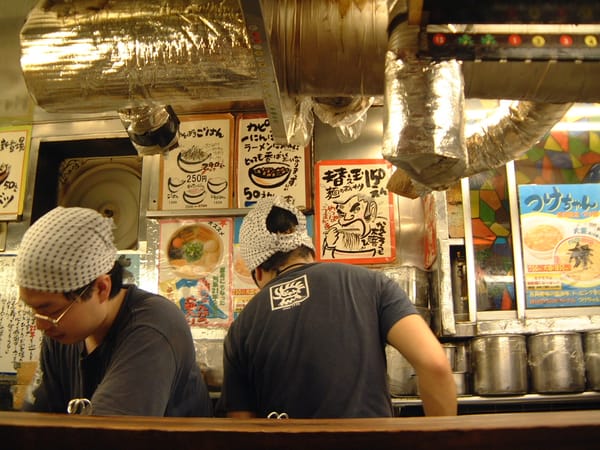
Asian noodle shops are not designed for atmosphere. They are designed for heat loss, sightlines, and solo eating. A close look at the architectural logic of ramen, pho, kalguksu and dan dan rooms.
Korean banchan, Japanese tsukemono, Indian achar and Sichuan paocai all share one job: they keep an Asian meal balanced. A close look at the side dishes that build the table.
A morning in Hanoi, Tokyo, Taipei and Seoul through the bowls that open the day, and what Asia's breakfast-soup tradition tells us about public food culture.
How tofu becomes five different ingredients across the streets of Japan, China, Korea, Vietnam and Indonesia.
The clay pot isn't just a cooking vessel in Asian kitchens — it's an ingredient. The crusty rice at the bottom is the best part, and that's by design.
Almost everything that makes Asian food taste like Asian food involves fermentation. The technique is so pervasive it's invisible.